Quick Answer:
Venice Biennale 2026 runs May 9–November 22, with collector preview days May 6–8. Ground logistics center on Marco Polo Airport (VCE) transfers, hotel coordination across Venice’s sestieri, and mainland connections to Milan and Verona. The critical coordination point is the mainland-to-island transition at Piazzale Roma — where ground vehicles hand off to water taxis. BYZAS manages VIP chauffeur, armored options, and multi-city art season itineraries for collectors, gallery directors, and cultural delegations. Contact BYZAS for Biennale transport coordination →
Why Is Venice Biennale 2026 the World’s Most Complex Art Logistics Event?
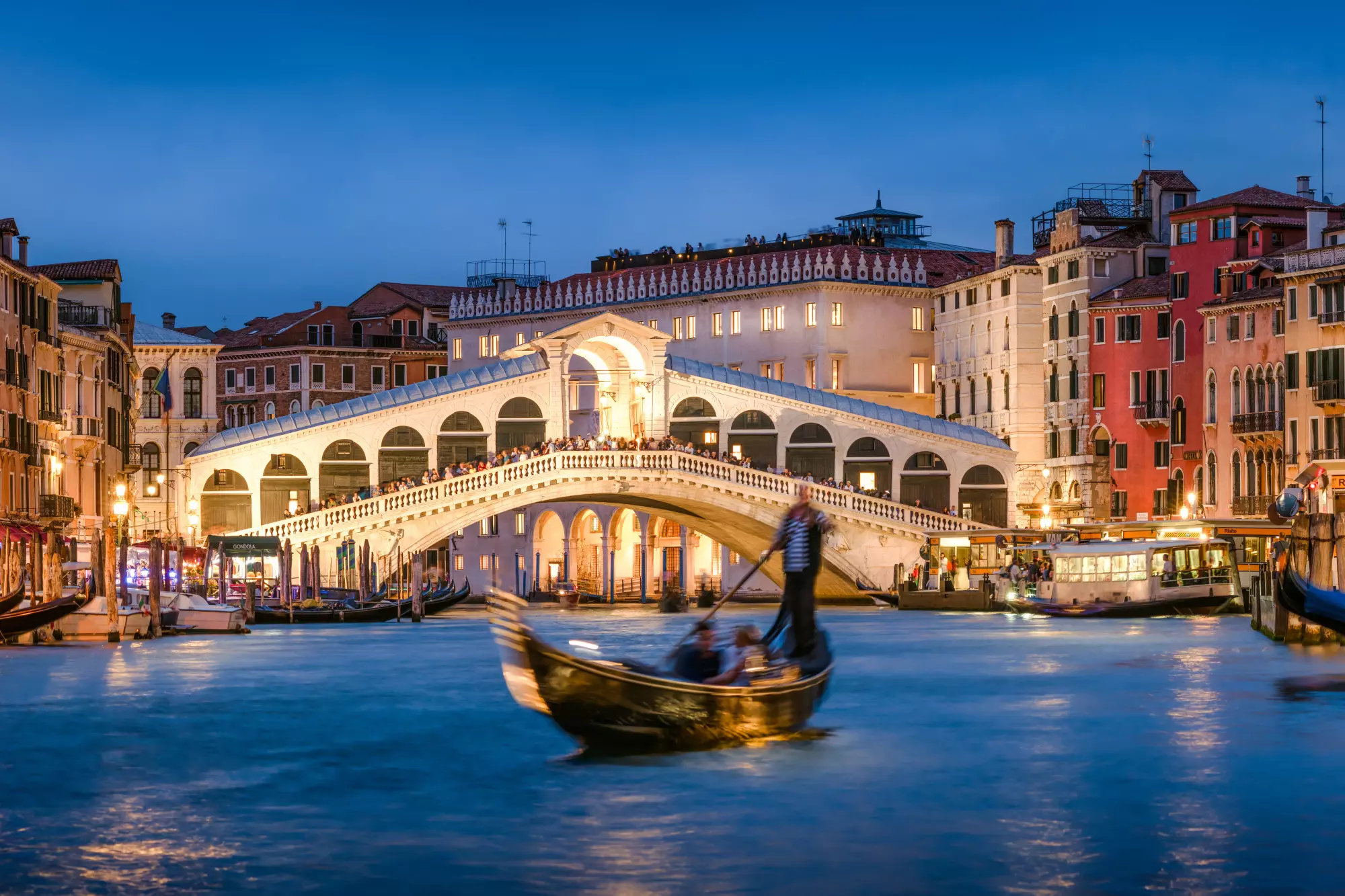
Venice Biennale Arte 2026 is the most complex art logistics event because Venice’s island geography eliminates conventional ground transport within the city center — creating a critical coordination point at every mainland arrival and departure that standard transfer services cannot manage. Running May 9 to November 22, the Biennale draws over 500,000 visitors, with the critical mass concentrated in the first three weeks: the invitation-only preview days (May 6–8) and the opening fortnight. For private collectors, foundation directors, gallery owners, and cultural institution leaders, managing the transition from international airport to palazzo, from private dinner to pavilion opening, requires precise coordination that standard services cannot provide.
BYZAS coordinates the full ground logistics picture: international airport arrivals at Marco Polo (VCE) and Treviso (TSF), private water taxi handoffs, secure luggage coordination, and multi-city connections across northern Italy. For broader Italy ground transport needs, BYZAS operates a dedicated Italy desk covering Milan, Rome, Florence, and all major Italian destinations.
Why Are Preview Days the Highest-Stakes Window for Biennale Transport?
Preview days (May 6-8) are the highest-stakes transport window because they concentrate the world’s most influential art figures into 72 hours — auction house specialists, institutional curators, major collectors, and press converging simultaneously — creating ground transport conditions that reward advance planning and punish improvisation. During preview days, Marco Polo Airport operates at maximum capacity for private aviation. The Tessera terminal, which handles business jet arrivals, sees concentrated demand across a narrow window. Chauffeur availability on the mainland becomes critically constrained by Wednesday morning of preview week.
Key logistical requirements for preview days: water taxi coordination (private water taxis from Piazzale Roma to major hotel landings require pre-booking 4-6 weeks in advance), mainland vehicle staging at Piazzale Roma or Tronchetto parking structures, and multi-stop schedule flexibility for Giardini pavilions, Arsenale, and parallel private palazzo events.
How Does Venice’s Two-Zone Transport System Actually Work?
Venice’s transport system works on two distinct zones with a critical handoff point between them: the mainland where Mercedes S-Class, V-Class, and Sprinter vehicles operate normally, and the islands where water taxis replace ground vehicles entirely. The mainland-to-island transition at Piazzale Roma or Tronchetto is where inexperienced providers consistently fail — vehicles and water taxis must be synchronized in real time, luggage transferred correctly, and timing accounts for canal traffic.
Marco Polo Airport (VCE) to Venice water taxi: 20-25 minutes by road to Piazzale Roma, then 30-45 minutes by private water taxi to major hotels depending on destination and canal congestion. Treviso Airport (TSF) to Venice: 45-55 minutes. TSF handles significant private aviation traffic for the Biennale but is frequently overlooked by coordinators who default to VCE — collectors arriving at TSF with a pre-booked VCE transfer face a costly 45-minute correction.
How Do You Coordinate Multi-City Northern Italy Logistics for Art Season?
Multi-city routing for art season works by managing Venice as one hub, then extending to Milan (2.5 hours by road — via the Milan chauffeur service for fashion week connections), Verona (1.5 hours), Lake Como or Lake Garda (2-3 hours), and Basel (4 hours direct road connection). Many collectors combine Venice Biennale with Salone del Mobile Milan (April) or Art Basel (June 18-21) or Frieze London (October) — BYZAS manages these multi-city itineraries as a single integrated operation, eliminating the coordination gaps that arise when separate local providers are booked independently. The same vehicle and driver continues where border crossings and routing allow, maintaining continuity for the principal.
What Armored and High-Security Options Exist for Biennale Collectors?
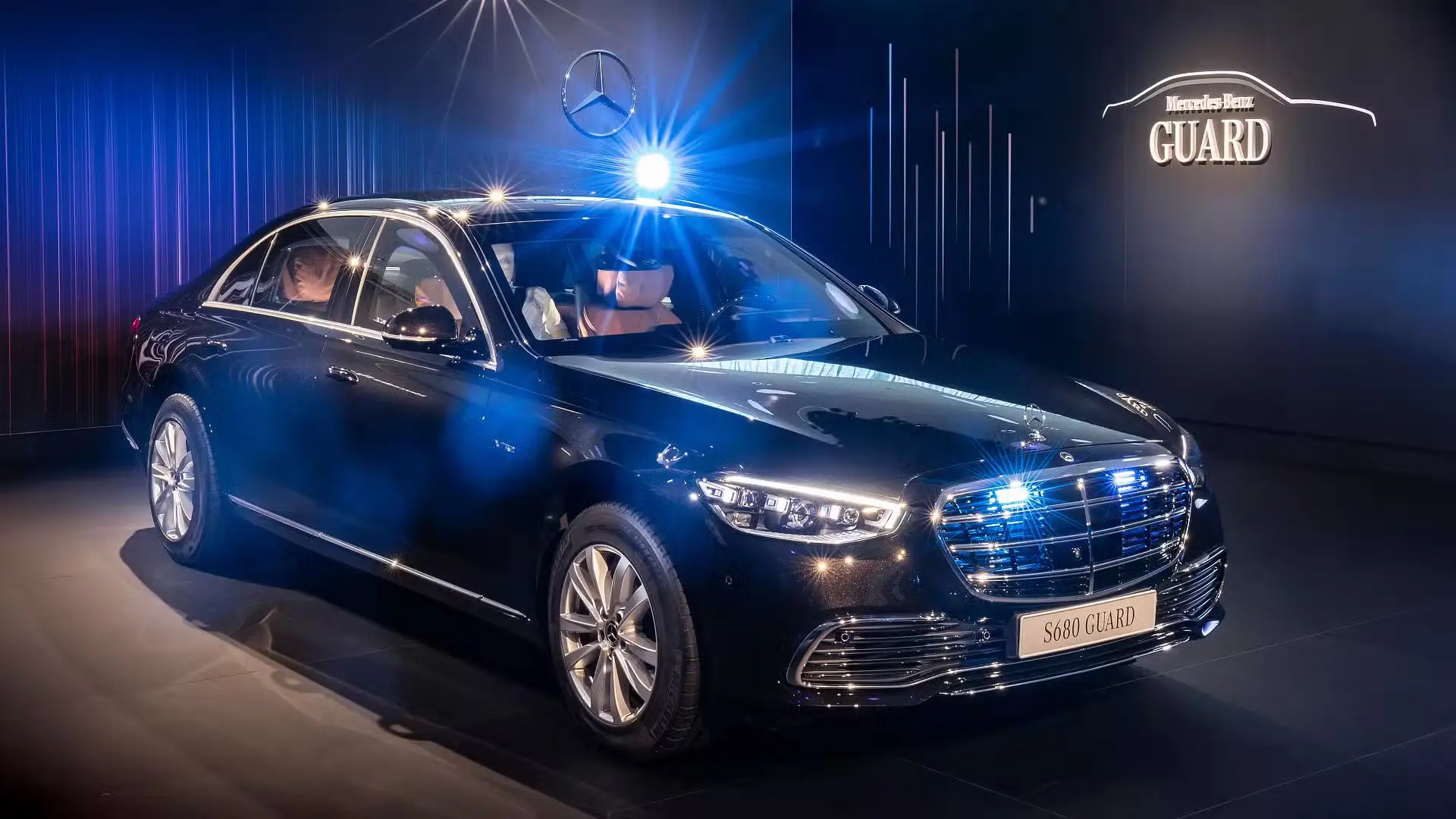
Armored and high-security options for Biennale collectors exist through BYZAS’s European partner network, coordinating B6-certified armored vehicles for mainland transfers in the Veneto region — particularly relevant for collection transfers involving high-value portable works, principals with active security requirements, and corporate foundation directors operating under executive protection protocols. Armored vehicle coordination for Italy operates with the same security clearance standards and encrypted communications infrastructure applied to BYZAS’s Turkish armored operations, ensuring consistent security posture across the full European itinerary.
What Common Venice Biennale Transport Mistakes Should You Avoid?
Three mistakes consistently disrupt Biennale transport: booking Venice-based operators without mainland coordination (Venice operators handle the water side but cannot coordinate airport arrivals; mainland operators handle VCE but cannot manage lagoon crossing — the gap between these two creates the most common failure point), underestimating preview day vehicle scarcity (April bookings for May preview face limited availability and no scheduling flexibility), and single-vehicle bookings for multi-person delegations (foundation groups, gallery teams, and collector families typically require 2-3 vehicles operating in coordination — single-vehicle bookings create scheduling conflicts across a full preview week).
What Makes Venice Biennale Transport Unique Among Global Art Events?
Venice Biennale is the only major art event where the host city actively prevents conventional ground transport. No cars can operate in Venice’s historic center. No rideshare. No taxi within the islands. The moment a collector steps off their international flight, they enter a logistics architecture that requires coordinated choreography across road, water, and pedestrian networks — with no room for improvisation during peak demand periods.
This is why Biennale transport fails more often than other art event logistics — and why collectors who arrive with unmanaged expectations face the most frustrating 48 hours of their art season. The complexity isn’t in any single transfer; it’s in the handoff architecture that must repeat identically for every single arrival and departure throughout the preview period.
What Defines the Biennale “72-Hour Window” for Transport Operations?
The 72-hour window from May 6-8 is the operational peak of the entire Biennale calendar. What happens in those 72 hours determines the transport success or failure for the entire season.
Inside the 72-hour window:
- 500+ private jet movements through VCE and TSF
- 120+ private water taxi charters from Piazzale Roma
- 3,000+ ground vehicle movements on the mainland approach routes
- 8 major collector dinners across different sestieri requiring synchronized multi-stop drop-offs
The congestion pattern follows a predictable rhythm:
- May 5 evening: First wave of collectors arrives — moderate traffic
- May 6 morning: VCE peak morning wave — 06:00-10:00 is heaviest
- May 6 evening: Preview dinner circuit — Piazzale Roma water taxi surge at 19:00-21:00
- May 7: Maximum intensity across all three airport terminals
- May 8: Afternoon departure wave begins — mirror of arrival pattern
Understanding this rhythm allows BYZAS to pre-position vehicles for each phase. During the May 6 morning VCE wave, mainland vehicles are staged at Tessera parking, not at the terminal curb — because the terminal curb becomes blocked by arriving coaches. During the May 6 evening dinner circuit, water taxis are pre-positioned at Cipriani and Gritti landings 45 minutes before the dinner start time.
What Happens at the Critical Piazzale Roma Handoff Point?
Piazzale Roma is where every ground journey in Venice terminates — and where the most expensive logistical failures occur when coordination breaks down.
The handoff works as follows: a Mercedes S-Class arrives at the Piazzale Roma parking structure with a collector and their luggage. The vehicle must find a designated parking position, the driver must be available for luggage transfer, and a pre-booked private water taxi must be waiting at the nearest landing. Each of these steps has a failure margin. When all three must occur within a 5-minute window across multiple daily movements, the probability of at least one failure approaches certainty without professional orchestration.
BYZAS solves this through staging protocol:
- Mainland vehicle parks in Tronchetto structure — less congestion than Piazzale Roma
- Water taxi is pre-positioned at the Tronchetto landing, not the Piazzale Roma landing
- Luggage transfer occurs during the 3-minute water taxi ride from Tronchetto to Piazzale Roma
- The vehicle is repositioned to arrive at the destination palazzo exactly as the water taxi lands
This “reverse sequence” eliminates the wait time that plagues uncoordinated arrivals. A collector arriving at Tronchetto finds their water taxi already in position, boards immediately, and arrives at their destination without the 20-30 minute delays that affect guests who booked through standard operators.
How Does Baggage Handling Differ During Preview Week?
During preview week, baggage handling becomes a critical differentiator between professional and amateur transport coordination. Collectors arriving for Biennale preview typically travel with:
- Large format art: Portfolio cases, framed works, custom crated pieces requiring special handling
- Extended wardrobe: Multiple outfit changes for different gallery events across multiple days
- Event materials: Invitations, catalogues, press credentials
- Personal security items: Discrete security equipment that requires specific vehicle configuration
Standard water taxi operators refuse oversized baggage. BYZAS pre-coordinates with water taxi operators for preview week to ensure vessels with larger loading capacity are assigned to collector arrivals. This is not an upscale service — it is a structural requirement for any collector transporting significant art or artifacts.
How Do Gallery Directors and Institutional Curators Approach Biennale Transport?
Gallery directors and institutional curators approach Biennale transport with fundamentally different requirements than collectors. Their logistics involve multiple people moving on different schedules simultaneously, with the critical constraint that every person must arrive at every venue independently — they cannot travel as a group because the venues are in different sestieri requiring different approach routes.
A typical institutional curator’s Biennale schedule:
- 07:00: Depart hotel for Giardini first pavilion openings
- 09:30: Return to hotel — different route required
- 11:00: Arsenale session — third routing requirement
- 14:00: Gallery director meeting at private palazzo — fourth routing
- 16:00: Press preview at Arsenale — fifth routing
- 19:00: Collector dinner at fourth location
Each of these movements requires a different vehicle approach. The Giardini requires a vehicle that can drop at the Fondamente di Giardini approach, not the main entrance. The Arsenale requires drop-off at the San Francesco door, not the main entrada. BYZAS drivers are briefed on venue-specific approach protocols that standard chauffeurs cannot learn without dedicated Biennale experience.
How Does Weather Affect Venice Biennale Ground Logistics?
Venice weather during Biennale season introduces operational variables that most transport coordinators ignore — to the detriment of their clients.
High water (acqua alta) conditions: When acqua alta occurs (typically October-November, but possible in May during anomalous weather patterns), Piazzale Roma and Tronchetto access routes flood. This requires:
- Alternative drop-off points at elevated locations
- Pre-arranged alternative water taxi routes
- Longer transit times with route adjustments
Fog and visibility: Venice’s fog season overlaps with Biennale preview period. When fog reduces canal visibility, water taxi speeds decrease by 30-40%, extending transfer times. BYZAS maintains real-time weather monitoring and pre-adjusts water taxi departure times to maintain schedule integrity.
Wind and vaporetti: During strong scirocco conditions, private water taxi operators often refuse lagoon crossing. BYZAS maintains relationships with water taxi operators who accept adverse weather charters — and pre-coordinates alternative road routes via Brenta Vecchia if water crossing is refused.
What Diplomatic and Cultural Delegation Requirements Exist at Biennale?
Cultural diplomacy at Biennale creates specific transport requirements that standard operators cannot meet — particularly for delegations representing governments, museums, or cultural institutions with public visibility requirements.
Delegation transport requirements:
- Multiple vehicles in coordinated formation for official visits
- Protocol-trained drivers who understand cultural hierarchy positioning
- Vehicle staging that allows delegation members to board in order of seniority
- Security-screened routes for delegations with active protection requirements
- Media management during public-facing arrivals
BYZAS has managed cultural delegation logistics for:
- National pavilion openings requiring head-of-state arrivals
- Museum director meetings requiring discrete security perimeters
- Foundation board transport for private collector events
- Corporate art acquisition team logistics
The common thread across all delegation requirements is discretion. A delegation transport failure is not just a logistical problem — it is a diplomatic incident. BYZAS assigns dedicated operations contacts for all cultural delegation movements, with pre-tested contingency routing and real-time adjustment capability.
How Do You Plan a Multi-City Art Season Itinerary Through Venice?
A multi-city art season itinerary through Venice requires managing three distinct transport layers: arrival logistics, local Biennale movement, and departure/exit logistics.
Arrival layer:
- VCE or TSF arrival (evaluate both airports against flight routing)
- Mainland vehicle staging and water taxi pre-positioning
- Hotel landing coordination with specific water gate assignment
- Luggage transfer from aircraft to palazzo room
Local movement layer:
- Pre-mapped routes for each venue approach (Giardini, Arsenale, specific palazzos)
- Water taxi standing orders for repeat movements
- On-demand vehicle availability for unscheduled movements
- Coordination with gallery representatives for venue-specific access
Exit layer:
- Reverse of arrival logistics with departure flight timing
- Extended buffer time for acqua alta or weather contingencies
- Road alternative pre-planning for water taxi refusals
The exit layer is where most multi-city itineraries fail. A collector departing Venice for Milan or Basel after the May 8 preview finale faces the same congestion as the arrival wave, in reverse. BYZAS pre-positions mainland vehicles at Tronchetto 90 minutes before the target departure time, ensuring the road portion of the journey begins without the 30-45 minute delays that affect collectors who book their own departures.
For multi-city routing across northern Italy art venues, BYZAS maintains dedicated fleet positioning in Milan and Verona during the Biennale preview period, allowing seamless vehicle continuity from Venice to Milan (2.5 hours), Milan to Basel (4 hours), or Venice to Lake Como (2 hours).
How Does BYZAS Structure Biennale Ground Logistics Differently?
BYZAS structures Biennale ground logistics differently through three operational principles: single point of coordination (one operations contact manages the full itinerary — flights, ground vehicles, water taxis, hotel logistics, and schedule changes), protocol awareness (our team understands which arrivals are public versus private, how to position vehicles discreetly at palazzo entrances, and how to manage the particular pace of collector schedules), and real-time adaptation (Biennale itineraries change — a pavilion opening runs long, a dinner moves venue, a flight is delayed — BYZAS operations centers track schedules and adapt ground logistics without requiring client intervention).
Why Is Treviso Airport Often Overlooked for Venice Biennale Arrivals?
Treviso Airport is often overlooked because most transport coordinators default to Marco Polo (VCE) without evaluating TSF as a viable — and frequently preferable — arrival point for private aviation. TSF is 45-55 minutes from Venice and handles significant private and charter flight traffic for the Biennale. Collectors arriving at TSF who have pre-booked a VCE transfer face a costly and time-consuming 45-minute correction drive. For private aviation specifically, TSF’s Tessera-equivalent terminal handles concentrated demand during preview week, and a professional Biennale operator will evaluate both airports against flight routing before confirming the transfer.
How Do You Book Venice Biennale Transport for Preview Days?
Book Venice Biennale transport for preview days by contacting BYZAS 60-90 days before May 6-8 — minimum. For armored vehicles, multi-vehicle delegation coordination, or water taxi charters during preview period, 90 days advance notice is strongly recommended. Preview days book out early because the world’s most influential art figures converge simultaneously, and vehicle availability on the mainland becomes critically constrained by Wednesday of preview week. Request Venice Biennale Transport Coordination →
For Italy ground transport beyond Venice, contact BYZAS’s Italy operations desk.
Written by the BYZAS Team. BYZAS is a luxury chauffeur service with over 50 years of operational experience in Turkey, specialising in production logistics, executive transport, and high-security ground operations. Last updated: April 2026.
External Resources:
- Venice Biennale Official - Arte 2026
- Marco Polo Airport Venice - VCE
- Treviso Airport - TSF
- City of Venice - Transport Information
- Art Basel - Basel Fair